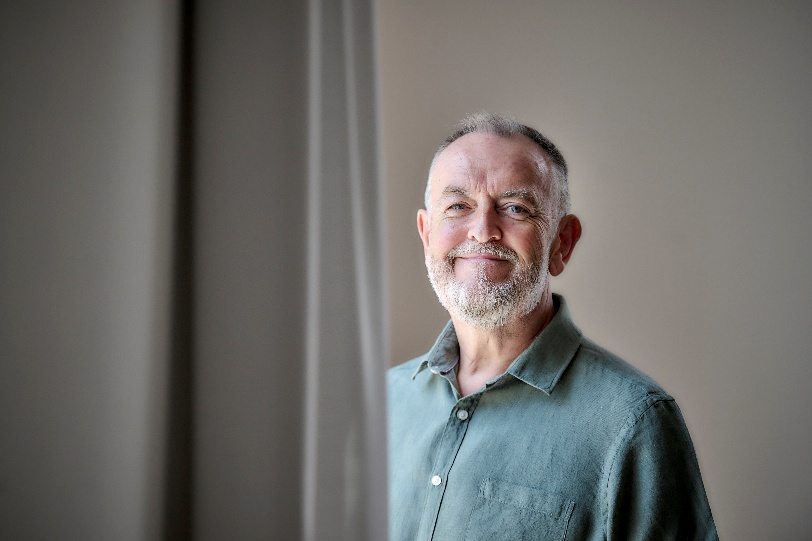
David Britain
University of Bern, Switzerland
Prof. Dr. David Britain worked at Victoria University of Wellington in New Zealand and the University of Essex in the UK before becoming Professor of Modern English Linguistics at the University of Bern in Switzerland in 2010. His research interests embrace language variation and change, varieties of English, dialect contact and attrition, new dialect formation, second dialect acquisition, dialect ideologies and the use of new technologies, such as smartphone applications, in collecting dialect data. He is also actively engaged in research at the dialectology-human geography interface, especially with respect to space/place, urban/rural and the role of mobilities. He was Associate Editor of Journal of Sociolinguistics from 2008 to 2017. He currently leads a large international project funded by the Swiss National Science Foundation conducting a new national survey of the dialects of England and Wales.
Lecture title: Pranešimas: Moving forward in regional dialectology: Combining new technologies and sociolinguistic sensitivities
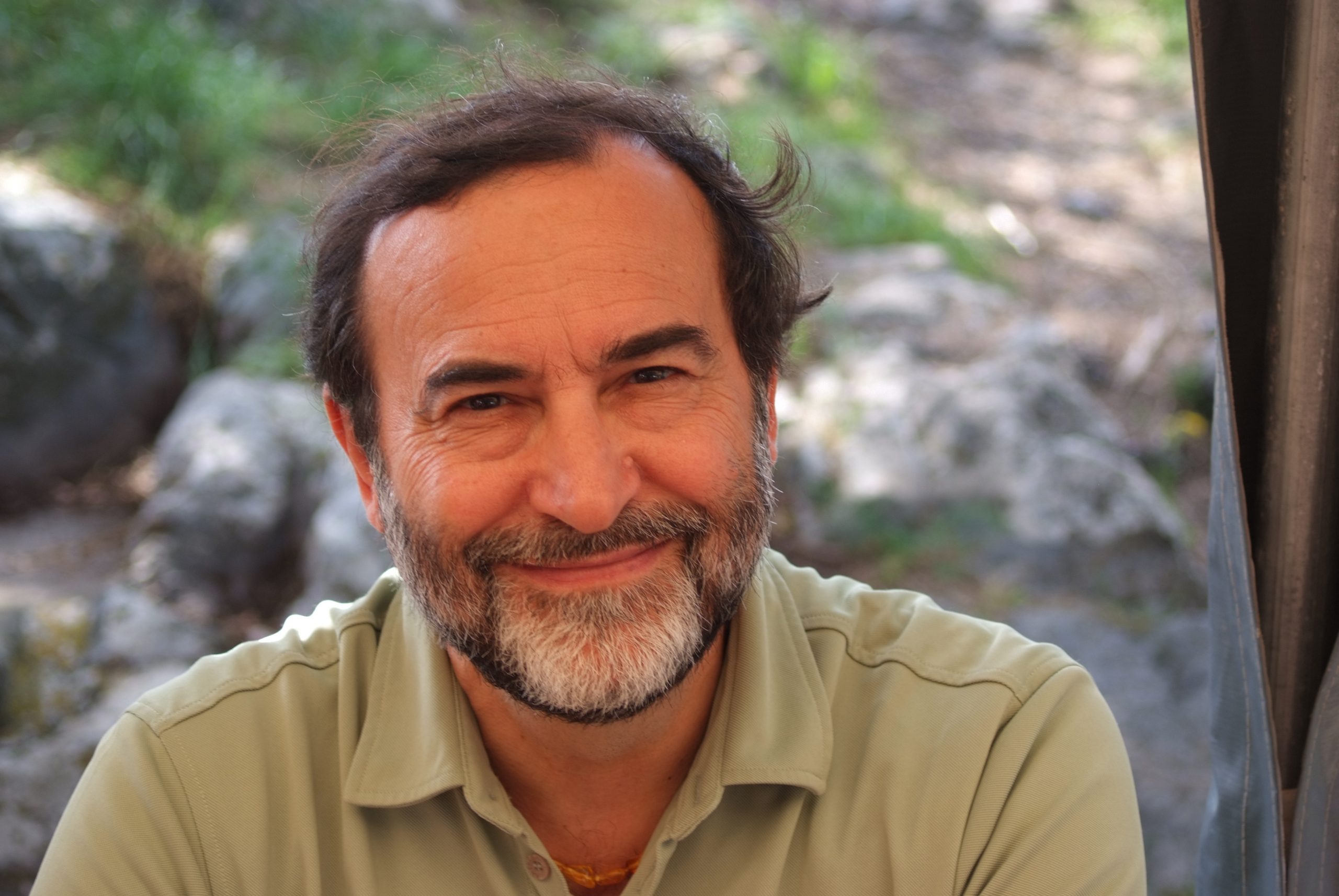
Pietro Umberto Dini
University of Pisa, Italy
Prof. Pietro Umberto Dini is one of the leading contemporary scholars in Baltic linguistics. He is Professor of Baltic Philology at the University of Pisa and Head of the Department of Baltic Philology. His research focuses on Old Baltic written monuments, the Old Prussian language, the historical grammar of the Baltic languages, the relationships between Baltic and other Indo-European languages, the history of Baltic linguistics, and the historiography of Baltic studies. Professor Dini is the author of the landmark monographs Foundations of Baltic Languages and Foundations of Old Prussian, as well as the editor of numerous influential publications in the field of Baltic studies. He is a foreign member of the Lithuanian Academy of Sciences, the Latvian Academy of Sciences, and the Göttingen Academy of Sciences and Humanities, an Honorary Doctor of Vilnius University and the University of Latvia, and the founding Editor-in-Chief of the international journal Res Balticae. In recognition of his outstanding contributions to Baltic and Lithuanian studies, Professor Dini has received numerous international distinctions, including the Order of the Lithuanian Grand Duke Gediminas and the Jānis Endzelīns Award.
Lecture title: A Guest in the System: Categorization, Models of Translation, and Definiteness in the Baltic Versions of the “Flood Prayer”
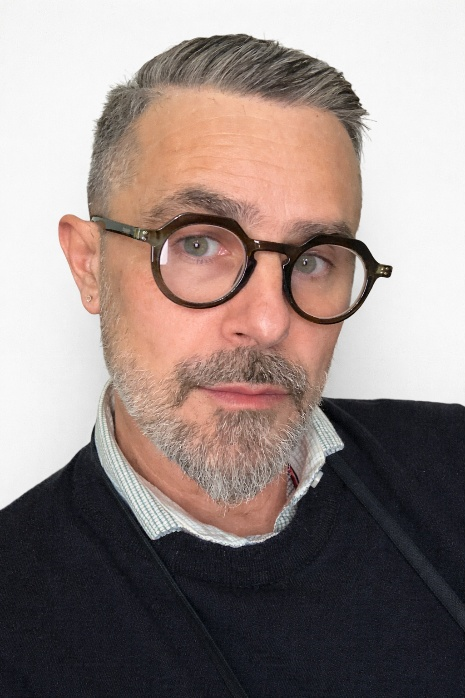
Simone Pisano
University of Siena, Italy
Simone Pisano is Associate Professor of Glottology and Linguistics at the University for Foreigners of Siena, where he teaches Dialectology and Contact Linguistics. He holds a PhD in General and Historical Linguistics from the University of Pisa. His research focuses on ancient and modern Sardinian varieties, with particular attention to the verbal morphology of contemporary Sardinian, based on fieldwork. He has also worked on Gallo-Italic dialects in parts of Tuscany and on Epigraphic Latin. He is interested in Language Planning and in the promotion of Sardinian and the other languages of Sardinia, and is co-responsible for a linguistic certification project at the University of Sassari (Sardinian B2 and C1; Algherese, Gallurese, and Sassarese C1), funded by the Autonomous Region of Sardinia. He has published widely in national and international journals and conference proceedings. His monograph La morfologia verbale del sardo moderno: tra conservazione e innovazione (ETS, 2016; reprint 2022) is a key contribution in the field. He is also engaged in public outreach and co-authored and presented the Sardinian-language radio programme A limba isorta (‘plain speaking’, literally ‘without holding one’s tongue’) broadcast on RAI Sardegna.
Lecture title: Polymorphism and Suppletion in the Verbal Morphology of Some Central Sardinian Varieties
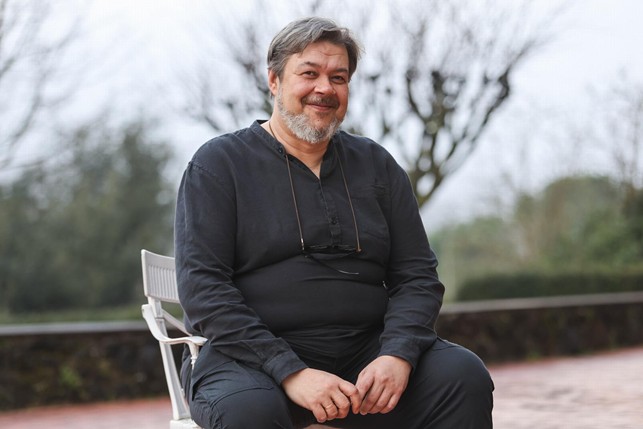
Petras Grėbliūnas (Piotr Grablunas)
Adam Mickiewicz University in Poznań; University of Warsaw, Poland
Dr. Petras Grėbliūnas (Piotr Grablunas) is a Lecturer at the Faculty of Modern Languages and Literatures, Adam Mickiewicz University in Poznań, and a Researcher at the Faculty of Artes Liberales, University of Warsaw, where he is involved in the international research project MULTILING-HIST, dedicated to the study of multilingualism from both historical and contemporary perspectives. His research interests include language variation and diversity, regional and minority languages, sociolinguistics, historical and contemporary multilingualism, language documentation, language policy, and linguistic landscape studies. Dr. Grėbliūnas’ research places particular emphasis on the vitality, maintenance, and intergenerational transmission of minority languages, as well as on language attitudes, language ideologies, and the role of language in shaping individual and collective identities in multilingual communities. He is the author of numerous scholarly publications and an active participant in international conferences, where he presents research on linguistic diversity and multilingualism in Poland, Latvia, and particularly the Latgale region.
Lecture title: Multilingualism in Latgale: Preliminary Research Results of the MULTILING-HIST Project
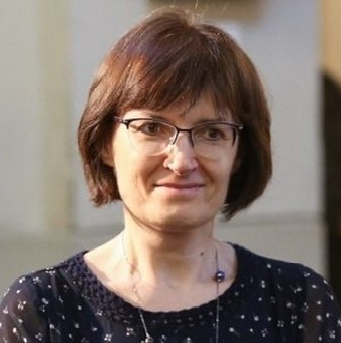
Rita Milūnaitė
Institute of the Lithuanian Language, Lithuania
Dr. Rita Miliūnaitė is a Lithuanian linguist and Senior Research Fellow at the Institute of the Lithuanian Language. She graduated in Lithuanian Philology from Vilnius University, received her PhD in the Humanities in 1992, and completed her habilitation procedure at Vytautas Magnus University in 2009. Dr. Miliūnaitė is a member of the editorial boards of the scholarly journals Bendrinė kalba, Terminologija, and Acta Linguistica Lithuanica. Her research focuses on the history, theory, and practice of language standardisation, language variation and norm change, language policy, public attitudes towards language, Internet linguistics, and neology. She is the author of numerous monographs, scholarly articles, and language resources, the compiler of the Database of Lithuanian Neologisms, and has played an active role in the development of contemporary digital resources for the Lithuanian language.
Lecture title: Neologisms in Electronic Communication: Concept, Characteristics, and Functions
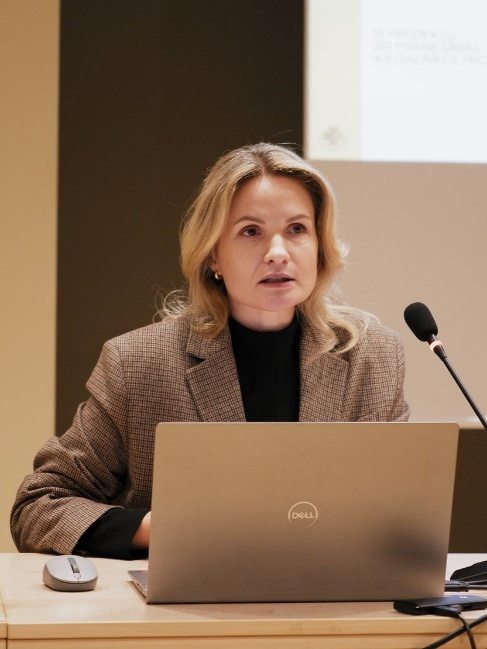
Aurelija Tamulionienė
Institute of the Lithuanian Language, Lithuania
Dr. Aurelija Tamulionienė is a researcher in school-based Lithuanian studies. Her research areas include applied linguistics, sociolinguistics, and ethnolinguistics. Her scholarly interests focus on children’s and young people’s language use, linguistic attitudes, the prestige of the Lithuanian language, and issues of linguistic identity and linguistic integration. She is a co-author of several scientific studies examining the linguistic integration of students returning from abroad and the linguistic behaviour and attitudes toward language of students in Lithuanian national minority schools. A. Tamulionienė has published research articles in Lithuanian and international academic journals that analyse children’s and young people’s language choice and use, linguistic attitudes, and the status of the Lithuanian language in the digital age. She actively participates in scientific conferences in Lithuania and abroad, where she presents research on the characteristics of children’s and young people’s linguistic behaviour, reflecting contemporary patterns of language use and enabling insights into possible future developments.
Lecture title: Neologisms in Electronic Communication: Concept, Characteristics, and Functions
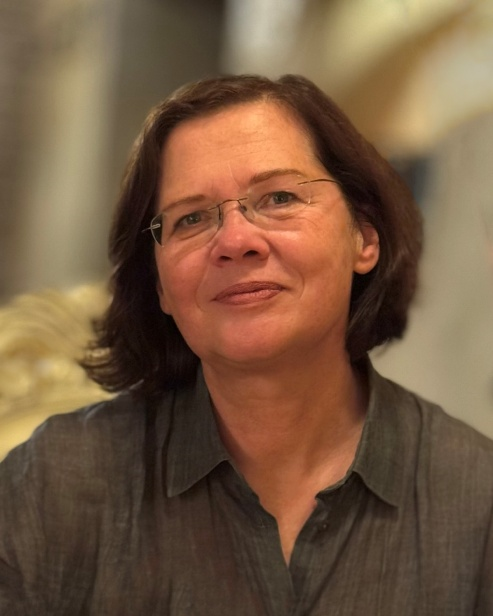
Nida Poderienė
Institute of the Lithuanian Language, Lithuania
Nida Poderienė is a researcher in school-based Lithuanian studies. Her research areas include applied linguistics, ethnolinguistics, and language policy. Her scholarly interests focus on the linguistic behaviour and language attitudes of children and young people, as well as the role of language in processes of cultural identity formation. In her academic publications, she examines the relationships between the vitality of the Lithuanian language, language prestige, and Lithuanian language education policy. Using text analysis methods, she has investigated the lexical diversity of language produced by children returning from English-speaking countries and the expression of intentions in students’ spoken and written language. She is a co-author of several research studies on the use of the Lithuanian language and on the language attitudes of children returning from abroad and of students attending national minority schools. At international scientific conferences, N. Poderienė presents research on the linguistic behaviour of children and young people and on the impact of the linguistic environment and Lithuanian language policy on multilingualism and the linguistic and cultural cohesion of society.
Lecture title: Neologisms in Electronic Communication: Concept, Characteristics, and Functions